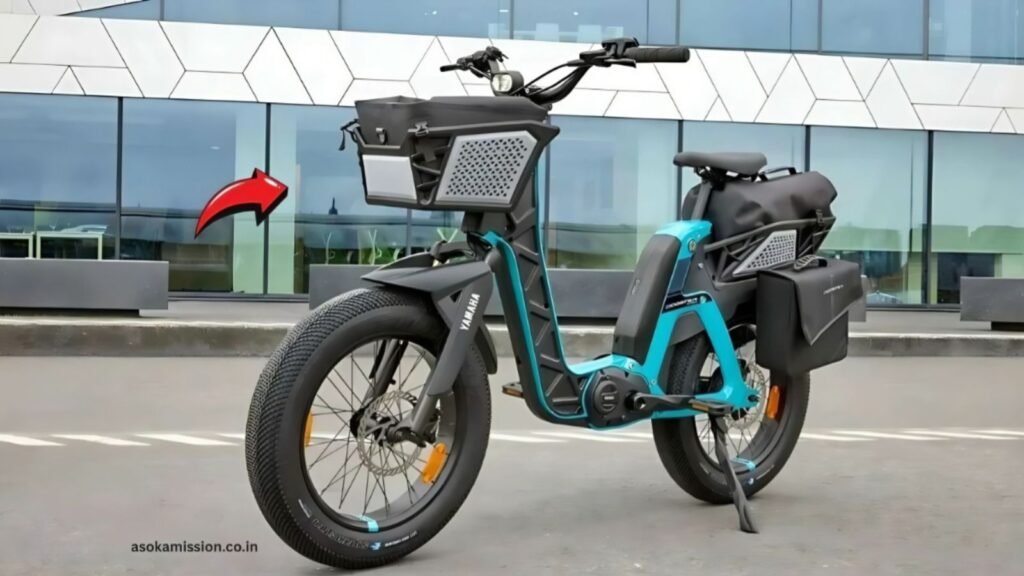
The launch of the Yamaha Electric Cycle marks an important moment in India’s rapidly evolving urban mobility landscape. As fuel prices remain unstable and city traffic continues to worsen, commuters are actively searching for alternatives that are affordable, reliable, and environmentally responsible. Yamaha, a brand long associated with performance motorcycles and dependable engineering, has now entered the electric cycle segment with a product designed specifically for everyday Indian conditions.

The Yamaha Electric Cycle is not positioned as a high-speed electric vehicle or a luxury gadget. Instead, it focuses on solving real problems faced by daily riders—short-distance commuting, rising fuel costs, limited parking space, and increasing pollution levels. By combining Yamaha’s engineering experience with electric-assisted cycling technology, the company aims to offer a practical mobility solution for office-goers, students, and urban households.
Priced from around ₹55,000, the Yamaha Electric Cycle targets buyers who want low running costs without the complexities of petrol engines or the charging challenges associated with larger electric scooters. This launch also signals Yamaha’s intention to expand beyond conventional two-wheelers and adapt to changing consumer behavior in Indian cities, where compact and efficient transport options are gaining popularity.
Why the Yamaha Electric Cycle Launch Matters in India
The arrival of the Yamaha Electric Cycle is significant not just because it is a new product, but because of what it represents. Until now, the electric cycle segment in India has largely been driven by startups and lesser-known brands. While many of those products are affordable, buyers often worry about durability, service support, and long-term reliability.
Yamaha’s entry brings a sense of trust and stability to this segment. Indian consumers are familiar with Yamaha’s reputation for quality engineering, refined performance, and strong after-sales support. This confidence plays a crucial role for buyers who are considering electric mobility for the first time but remain cautious about untested brands.
Additionally, the Yamaha Electric Cycle addresses a growing need for sustainable transportation without requiring drastic lifestyle changes. Unlike electric scooters that demand charging infrastructure and higher upfront costs, electric cycles are lightweight, easy to maintain, and can be used even when battery assistance is low. This balance makes them particularly suitable for Indian cities where infrastructure development varies widely.
250W Motor Performance Designed for Daily City Riding
At the core of the Yamaha Electric Cycle is a 250W electric motor, carefully tuned for smooth and consistent performance. Rather than focusing on aggressive acceleration or high top speeds, Yamaha has designed the motor to support everyday riding scenarios commonly encountered in Indian cities. This includes stop-and-go traffic, narrow lanes, frequent turns, and short bursts of acceleration.
The 250W motor delivers adequate torque to assist riders during starts, mild inclines, and flyovers without requiring excessive pedaling effort. This is especially helpful for office commuters who want to reach their destination without arriving tired or sweaty. The assistance feels natural and predictable, making the transition from a conventional bicycle to the Yamaha Electric Cycle comfortable for new users.

Another advantage of this motor setup is efficiency. Since the output is optimized rather than overpowered, energy consumption remains controlled. This helps extend battery life and ensures consistent performance over long periods. Yamaha’s approach clearly prioritizes reliability and longevity, which aligns well with the expectations of Indian buyers looking for dependable daily transport.
48V Battery System and Claimed 120KM Riding Range
One of the standout features of the Yamaha Electric Cycle is its claimed riding range of up to 120 kilometers on a single charge under ideal conditions. The cycle uses a 48V battery system that supports pedal-assist riding, allowing riders to cover longer distances with minimal physical effort.
For most urban users, this range translates into several days of commuting without the need for frequent charging. Whether it’s daily office travel, college rides, or local errands, the Yamaha Electric Cycle is designed to handle routine usage comfortably. Yamaha’s battery management system ensures efficient power distribution, adjusting output based on riding mode, speed, and terrain.
While real-world range will naturally vary depending on factors such as rider weight, road conditions, and assist level, the high claimed figure significantly reduces range anxiety. This is particularly important for users who are new to electric mobility and want a stress-free ownership experience.
Smart Digital Display and Rider-Friendly Technology
The Yamaha Electric Cycle comes equipped with a modern digital display that provides essential riding information in a clear and easy-to-read format. The display shows current speed, battery charge level, distance traveled, and pedal-assist mode, allowing riders to stay informed without distraction.
This digital interface adds a layer of convenience that modern commuters expect. By monitoring battery usage in real time, riders can adjust assist levels to maximize range or improve comfort depending on their route. Yamaha has ensured that the system remains simple and intuitive, avoiding unnecessary complexity that could confuse first-time users.
The digital setup also enhances overall riding confidence. Knowing exactly how much battery is left and how far you’ve traveled helps riders plan their journeys better. For students and office-goers who rely on predictable travel times, this information can make daily commuting smoother and more reliable.
Comfort-Focused Design for Indian Urban Conditions
Comfort plays a major role in the appeal of the Yamaha Electric Cycle, especially for riders who plan to use it daily. Yamaha has designed the frame geometry to support an upright riding posture, which reduces pressure on the lower back, wrists, and shoulders. This posture is ideal for city riding, where frequent stops and slow-moving traffic are common.



The seat is well-cushioned and designed to support longer rides without discomfort. Combined with shock-absorbing elements in the frame, the cycle handles uneven roads, potholes, and speed breakers more comfortably than many conventional bicycles. Adjustable seat height and handlebar positioning make the Yamaha Electric Cycle suitable for riders of different heights and age groups.
From a styling perspective, Yamaha has chosen a clean and modern design approach. The cycle looks practical yet premium, with subtle branding and balanced proportions. It avoids flashy or aggressive elements, making it suitable for professional commuting as well as casual recreational use.
Affordable Pricing and Long-Term Cost Benefits
With a starting price of around ₹55,000, the Yamaha Electric Cycle is positioned as an accessible option for a wide range of buyers. While the upfront cost may appear higher than a standard bicycle, the long-term savings make it a financially sensible choice.
Electric charging costs are minimal compared to petrol expenses, and maintenance requirements are significantly lower due to fewer moving parts. There is no engine oil, no fuel system maintenance, and reduced wear on mechanical components. Over time, these factors contribute to substantial cost savings.
For households looking to reduce monthly transportation expenses, the Yamaha Electric Cycle can serve as a reliable second vehicle. It is also an attractive option for students and young professionals who want independent mobility without the burden of high running costs.
Yamaha Brand Trust and After-Sales Support Advantage
One of the strongest advantages of the Yamaha Electric Cycle is the brand behind it. Yamaha’s long-standing presence in India has built a reputation for durability, performance consistency, and customer support. This trust factor is especially important in the electric cycle segment, where buyers often worry about service availability and spare parts.
Yamaha’s established dealer and service network is expected to support the electric cycle, ensuring easier access to maintenance and repairs. This reduces ownership anxiety and adds long-term value to the product. For many buyers, this level of after-sales confidence can be the deciding factor when choosing between multiple electric cycle options.
The involvement of a major manufacturer also raises overall standards in the segment. As more established brands enter electric mobility, consumers benefit from improved quality, better safety features, and more reliable products.

Who Should Consider Buying the Yamaha Electric Cycle
The Yamaha Electric Cycle is best suited for urban commuters who travel short to medium distances daily. Office-goers covering 5–15 kilometers each way can benefit from its comfort, low running costs, and ease of use. Students commuting to colleges or coaching centers will appreciate the affordability and independence it offers.
It is also a practical option for families looking for a secondary vehicle for local errands, grocery runs, or short trips within residential areas. For environmentally conscious buyers who want to reduce emissions without switching entirely to electric scooters, the Yamaha Electric Cycle offers a balanced solution.
However, riders who require high speeds, long highway travel, or heavy load-carrying capacity may find electric scooters or motorcycles more suitable. The Yamaha Electric Cycle is designed for efficiency and practicality rather than performance extremes.
Environmental Impact and Sustainable Mobility Benefits
Beyond personal convenience and cost savings, the Yamaha Electric Cycle contributes to a cleaner urban environment. By reducing dependence on petrol-powered vehicles, it helps lower carbon emissions and air pollution levels in congested cities. Electric cycles also produce minimal noise, improving overall urban livability.
As Indian cities continue to grow, solutions like the Yamaha Electric Cycle can play a meaningful role in promoting sustainable transportation. They encourage a shift toward lighter, more efficient mobility options that require less space and fewer resources.
Disclaimer
The information provided in this article is based on launch details, manufacturer specifications, and publicly available data at the time of writing. Actual range, performance, features, and pricing of the Yamaha Electric Cycle may vary depending on riding conditions, battery usage, maintenance, and regional factors. Readers are advised to consult official Yamaha sources or authorized dealers for the most accurate and up-to-date information before making a purchase decision.